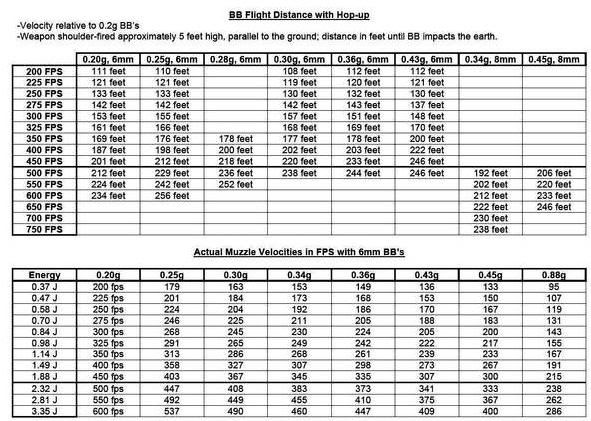
Basically it comes down to kinetic energy. i.e. how much energy the thing has stored in it as it moves. Heavier objects store more energy as they move.
Push a big heavy car at ten mph and then try to stop it by grabbing it with your hands, then do the same with a baby's pram. You can stop the pram easily in comparison to the car. Now substitute that analogy for BBs of differing weights, where your hands are replaced by aerodynamic drag, form drag, parasitic drag etc, i.e. all the things the air is doing to slow something down; the air has a harder time stopping the heavier BB because, like the car versus the baby's pram, the heavier BB has more stored energy.
One of the trade offs is of course that a heavier BB will have more ballistic drop because if the heavy and the light BBs are both given the same rotation by a hop up unit, their similar size and shape means they will both be creating the same amount of lift. If that lift is sufficient to keep the lighter BB flying level, it won't be sufficient to overcome the weight of the heavier BB.